Beverage
How To Steam Milk Like A Pro: Get That Velvety Cappuccino Foam Tonight
Author:Tooba
|
Released:September 30, 2025
Steaming milk isn’t just about heating it. The right texture, temperature, and technique can make or break your cappuccino. If you’ve been stuck with bubbly or flat milk, this guide shows exactly how to fix that—and which tools make it easier.
What You Need To Steam Milk Correctly?
Steaming starts with the right gear. You can’t expect professional results from a microwave or basic stovetop.
Espresso Machine With Steam Wand

For full control and the best texture, a steam wand is the standard. Machines like the Breville Bambino Plus (around $500) are designed for home use and include auto-steaming features for beginners. If you want manual control, look at the Rancilio Silvia (around $830), known for powerful steam pressure and durability.
Milk Pitcher
A stainless steel milk pitcher with a spout is non-negotiable. Get a 12 oz pitcher for single drinks. Rhino Coffee Gear and Fellow Eddy are solid picks. Look for a pointed spout for easier latte art and a handle that stays cool.
Thermometer Or Temp-Sensing Jug
Good milk hits between 130°F and 150°F. Above 160°F, it scalds. The Subminimal Contactless Thermometer or pitchers with built-in sensors like the Fellow Eddy with IR Sensor help you avoid mistakes.
Milk Choices And Flavor Impact
Not all milk steams the same way. Whole milk is the easiest for beginners and gives a creamy result with microfoam that holds shape. Oat milk (like Oatly Barista) creates fine foam and a slightly sweet finish. Almond and soy vary by brand, but barista versions like Califia Barista Blend give more stable foam.
For the best texture, always use milk cold from the fridge. Warm milk won't stretch properly.
Steaming Technique: Step By Step
If your milk is too foamy, too thin, or doesn’t swirl, your angle or timing is likely off. Follow these steps to dial it in.
1. Purge The Wand
Always release steam for a second before starting. This clears condensation and prevents water from diluting the milk.
2. Submerge Just Below Surface
Place the tip of the wand just below the milk’s surface, near the side of the pitcher, not the center. Angle the pitcher to create a whirlpool effect.
3. Start With Air
Turn on the steam and let a faint hissing sound happen for about 3–5 seconds. This is where you add air (known as stretching). You should see the milk expand slightly in volume.
4. Submerge And Spin
Once you’ve stretched, raise the pitcher slightly to bury the wand tip. Now you’re texturing—spinning the milk to break larger bubbles into microfoam.
5. Monitor Temperature
Stop steaming around 135°F. Swirl the pitcher to keep the texture smooth. Tap gently on the counter to pop surface bubbles.
6. Pour Immediately
Textured milk doesn’t hold. It separates quickly. Pour into your espresso shot within 20–30 seconds.
Common Issues And Fixes
Milk too bubbly? You introduced too much air. Keep the wand closer to the surface for less time.
No foam? You skipped the stretch phase or stayed submerged the whole time.
Screeching sound? Wand is too far from the surface. You want a gentle hissing, not a shriek.
Burnt flavor? You steamed too hot. Use a thermometer until you develop a feel for it.
Tools That Make Steaming Easier
These are worth having if you're serious about better results.
Breville Bambino Plus
Auto milk texturing, fast heat-up, and great for beginners. Has a built-in temp sensor in the drip tray, under 3 minutes from off to first pour.
Nanofoamer By Subminimal
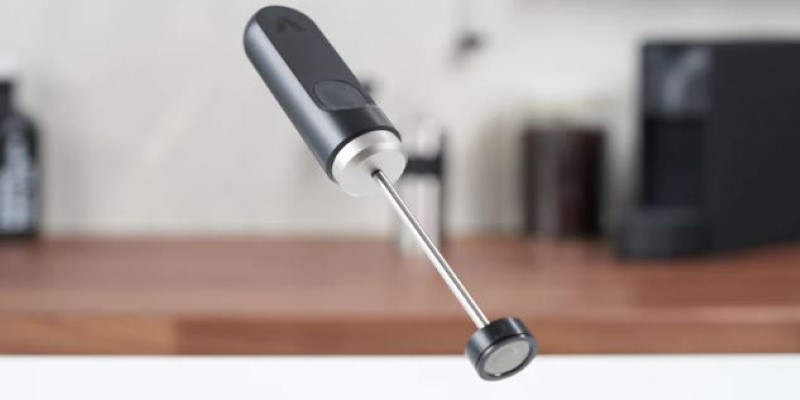
No steam wand? This electric microfoam tool whips up texture in 20 seconds using cold or preheated milk. Costs around $39. Best paired with an electric kettle like Fellow Stagg EKG for precision.
Fellow Eddy Milk Pitcher
Laser-welded handle, spout optimized for control, and compatible with infrared temp readers. Costs about $30. Feels balanced and well-weighted.
Milk Recipes To Try Tonight
Each one uses different textures and ratios. Pick one to match your preferred drink.
Classic Cappuccino
Double shot espresso (18–20g in, 36–40g out)
4 oz whole milk
Stretch milk for 3–4 seconds
Texture to 140°F
Pour center and lift for a thicker dome of foam
Flavor is bold, with a creamy top and dry finish. Best served in a 6 oz ceramic cup.
Flat White
Double shot ristretto (18g in, 25–30g out)
3 oz whole or oat milk
Stretch milk for 1–2 seconds only
Texture to 135°F
Pour close to the surface with minimal foam
Less froth, more silk. Brings out espresso’s natural sweetness and pairs well with chocolate-heavy blends like Stumptown Hair Bender.
Iced Cortado With Cold-Foam Milk
Double shot espresso over ice
2 oz cold oat milk (Oatly Barista)
Use a Nanofoamer or a French press plunger to create cold foam
Spoon foam over the top
Sweet, balanced, and great in warmer weather. Skip heating altogether and focus on clean, fine foam. Works best with fruity beans like Verve Seabright House.
Frothing Vs Steaming: Know The Difference
Frothing uses air alone. Steaming combines air and heat. Frothers like handheld whisks or French press plungers work, but you won’t get true microfoam. Ideal for iced drinks or when using milk alternatives that separate under heat.
Steaming delivers smaller bubbles, a smoother texture, and better integration with espresso.
Should You Upgrade Your Machine?
If you’re using a low-end machine with a weak wand, you’re fighting physics. Machines like the Gaggia Classic Pro or Lelit Anna offer stronger steam pressure and more consistent results.
Budget under $600? Go with the Breville Bambino Plus or Gaggia Classic Pro.
Want barista-level control? The Lelit Mara X or Profitec Go (around $1,000–$1,300) offer full manual operation with commercial-grade results.
Pair with a grinder like the Niche Zero or DF64 to round out your setup.
Conclusion: Your Next Step
Start with whole milk and a pitcher. Practice stretching for just 3 seconds, then spinning until the milk looks glossy and smooth. If your machine can’t keep up, consider a mid-tier upgrade. Want to experiment first? Try the Nanofoamer for under $50.
Once you master steaming, your coffee quality jumps fast. Texture is what separates café drinks from home brews. Try one of the recipes tonight and see the difference in flavor and feel.
If you’re unsure which machine or milk suits your style, compare espresso machines by steam power or read side-by-side reviews of milk alternatives next. Every upgrade you make gets you closer to the foam you’ve been chasing.
You May Like
-

-
Beverage
Why Cold Brew Concentrate Is The ONLY Way To Drink Iced Coffee
-
Coffee Makers & Accessories
Moka Pot Guide: The Italian Secret To Strong Espresso (Under $30)
-
Recipe
Mocha Milkshake Recipe: You're One Step Away From Pure Chocolate Bliss
-
Beverage
The Secret To Starbucks Cold Foam: Make It At Home With No Special Tool
-
Beverage
Black Coffee For Weight Loss: The Best Brewing Method Is Not What You Think